Embark on a journey to discover how Smart Interior Upgrades can revolutionize your living space while saving both energy and money. From efficient lighting to advanced appliances, this guide delves into the key elements that can enhance your home environment.
Exploring the realm of energy-saving solutions, we unveil the secrets behind making your interior smarter and more cost-effective.
Smart Lighting Upgrades
Upgrading to energy-efficient LED bulbs can lead to significant cost savings over time. LED bulbs use much less energy than traditional incandescent bulbs, resulting in lower electricity bills and longer lifespan.
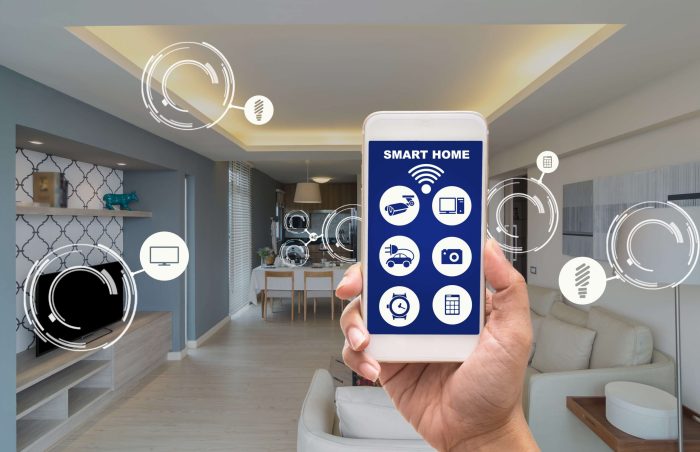
Installing smart lighting systems offers a range of benefits beyond just energy savings. These systems allow for remote control of lighting settings, scheduling, and even integration with smart home devices for increased convenience and flexibility.
Maximizing Natural Light
Utilizing natural light in interior spaces not only reduces the need for artificial lighting but also provides a host of benefits such as improved mood, productivity, and overall well-being. To maximize natural light, consider using light-colored window treatments, strategically placing mirrors to reflect light, and keeping windows unobstructed.
Energy-Efficient Appliances
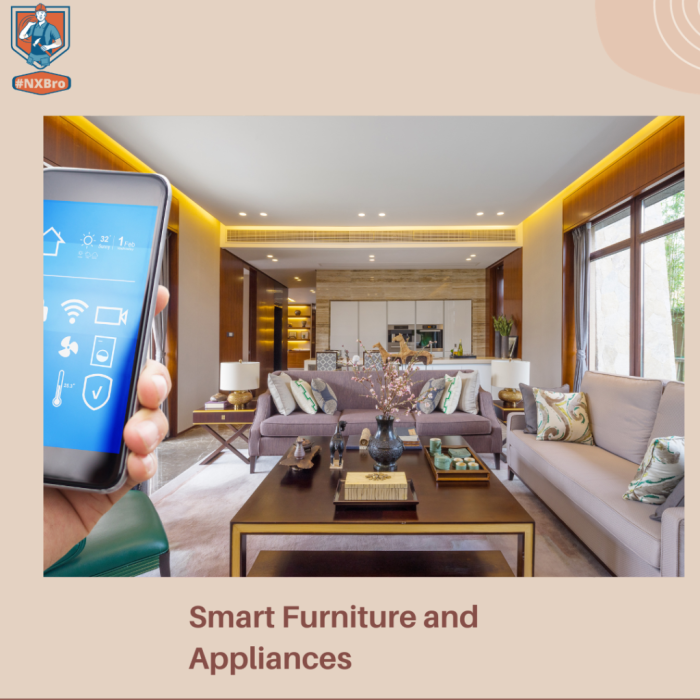
When it comes to saving energy and reducing utility costs, upgrading to energy-efficient appliances can make a significant impact. Not only do these appliances help lower electricity bills, but they also contribute to a greener environment by reducing overall energy consumption.
Cost Savings Comparison
Energy-efficient appliances may have a higher upfront cost compared to traditional models, but the long-term savings are substantial. These appliances are designed to operate more efficiently, using less energy to perform the same tasks. Over time, the energy savings can offset the initial investment, resulting in lower utility bills and overall cost savings for homeowners.
Examples of Smart Appliances
- Smart Thermostats: These devices help regulate home temperature more effectively, reducing energy waste and optimizing heating and cooling systems.
- Energy Star Certified Refrigerators: These refrigerators use advanced technology to consume less energy while keeping food fresh, saving both energy and money.
- LED Light Bulbs: LED bulbs are energy-efficient alternatives to traditional incandescent bulbs, offering longer lifespans and significant energy savings.
Environmental Impact
By choosing energy-efficient appliances, homeowners can contribute to a healthier environment. Reduced energy consumption means lower greenhouse gas emissions, helping to combat climate change and preserve natural resources. Energy-efficient appliances play a crucial role in sustainable living practices and promote a more eco-friendly lifestyle.
Improved Insulation and Windows
Upgrading insulation and windows in your home can have a significant impact on energy efficiency and cost savings. Let's explore how these upgrades can help you lower energy bills and maintain a comfortable indoor temperature.
Benefits of Improved Insulation
Insulation plays a crucial role in regulating the temperature inside your home. By upgrading to high-quality insulation, you can reduce heat transfer through walls, floors, and ceilings. This means your HVAC system doesn't have to work as hard to maintain a consistent temperature, leading to lower energy consumption and cost savings.
- Proper insulation helps prevent heat loss in the winter and heat gain in the summer, keeping your home comfortable year-round.
- By reducing the workload on your heating and cooling systems, improved insulation can extend the lifespan of your HVAC equipment.
- Upgrading insulation can also enhance indoor air quality by creating a barrier against outside pollutants and allergens.
Benefits of Energy-Efficient Windows
Energy-efficient windows are designed to minimize heat transfer and maintain a stable indoor temperature. These windows are typically double or triple-paned with low-emissivity coatings to reduce heat loss in the winter and heat gain in the summer. By installing energy-efficient windows, you can enjoy the following benefits:
- Lower energy bills by reducing the need for heating and cooling throughout the year.
- Improved comfort with consistent indoor temperatures and reduced drafts near windows.
- Enhanced natural light and visibility while still maintaining energy efficiency.
Choosing the Right Insulation Materials
When selecting insulation materials for your home, it's essential to consider the specific needs of each area. Different parts of the house may require different types of insulation to maximize efficiency and effectiveness. Here are some tips for choosing the right insulation materials:
- For attics and ceilings, consider materials like fiberglass batts, blown-in cellulose, or spray foam insulation for optimal coverage and performance.
- Walls can benefit from insulation options such as rigid foam boards, spray foam, or blown-in cellulose to reduce thermal bridging and improve energy efficiency.
- Basements and crawl spaces may require moisture-resistant insulation like foam board or spray foam to prevent mold growth and maintain a dry environment.
Smart Thermostat Installation
Installing a smart thermostat is a great way to enhance energy efficiency in your home while also saving money on heating and cooling costs. These devices offer advanced features that allow you to control your home's temperature more effectively, leading to reduced energy consumption.
Features of Smart Thermostats
Smart thermostats come with a range of features that make them stand out from traditional thermostats. Some of the key features include:
- Remote temperature control: You can adjust the temperature of your home from anywhere using a smartphone app or a web interface.
- Learning capabilities: Smart thermostats can learn your schedule and preferences to automatically adjust the temperature for maximum comfort and efficiency.
- Energy usage reports: These devices provide detailed insights into your energy consumption, helping you make informed decisions on how to save energy.
- Integration with smart home systems: Smart thermostats can be integrated with other smart home devices for seamless automation and control.
Installing a Smart Thermostat
Installing a smart thermostat is a straightforward process that can be done by following these steps:
- Turn off power to your HVAC system at the circuit breaker.
- Remove your existing thermostat from the wall.
- Install the mounting plate for the new smart thermostat.
- Connect the wires from your HVAC system to the corresponding terminals on the smart thermostat.
- Attach the smart thermostat to the mounting plate and restore power to your HVAC system.
- Follow the manufacturer's instructions to set up and configure the smart thermostat.
Advantages of Remote Temperature Control
One of the significant advantages of smart thermostats is the ability to remotely control your home's temperature. This feature offers several benefits for energy efficiency:
- Adjust temperature from anywhere: Whether you're at work, on vacation, or simply in another room, you can easily adjust the temperature to avoid unnecessary energy consumption.
- Optimize heating and cooling schedules: With remote access, you can create customized schedules based on your daily routine, ensuring that energy is not wasted when you're away from home.
- Monitor energy usage: By tracking your energy usage remotely, you can identify patterns and make changes to further enhance energy efficiency in your home.
Concluding Remarks
In conclusion, Smart Interior Upgrades offer a blend of modern technology and sustainability, paving the way for a greener future. By implementing these strategies, you not only improve your living space but also contribute to a more energy-efficient world.
Helpful Answers
Are smart lighting systems expensive to install?
While the initial cost may be higher, the long-term savings on energy bills make smart lighting systems a worthwhile investment.
How do energy-efficient appliances benefit the environment?
Energy-efficient appliances consume less energy, reducing the overall demand for electricity and lowering carbon emissions.
What factors should be considered when choosing insulation materials?
Factors like R-value, material durability, and suitability for different areas of the house should be taken into account when selecting insulation materials.
Can a smart thermostat be controlled remotely?
Yes, smart thermostats can be controlled remotely via a smartphone app, allowing you to adjust your home's temperature even when you're away.