
Delving into Scandinavian Interior Elements Taking Over Asian Homes, this introduction immerses readers in a unique and compelling narrative, with a focus on the growing trend of Scandinavian design in Asian households. From the key characteristics of Scandinavian interior design to the adoption of these elements in Asian homes, this discussion will explore the fascinating fusion of two distinct styles.
As we delve deeper, we will uncover the impact of color palettes, materials, furniture, and layout choices on the overall aesthetic of homes in Asia. Join us on this journey to discover how Scandinavian interior elements are reshaping the way Asian homes are designed and decorated.
Scandinavian Interior Elements
Scandinavian interior design is known for its simplicity, functionality, and minimalism. It focuses on creating a cozy and inviting atmosphere by incorporating natural elements, light colors, and clean lines.Some key characteristics of Scandinavian interior design include:
- Light and neutral color palettes such as whites, grays, and pastels to create a sense of space and light.
- Natural materials like wood, stone, and leather to add warmth and texture to the space.
- Functional and sleek furniture with clean lines and minimalistic designs.
- Plenty of natural light through large windows and light-colored flooring to enhance the overall brightness of the room.
Popular Scandinavian elements used in homes include:
- Scandinavian furniture pieces like the iconic Eames chair, Wegner Wishbone chair, and Ikea furniture known for its simplicity and functionality.
- Textiles such as sheepskin rugs, chunky knit throws, and linen curtains to add coziness and warmth.
- Decorative accents like ceramic vases, wooden candle holders, and minimalist artwork to add personality to the space.
When comparing Scandinavian design principles with traditional Asian home decor, we can see some differences. Scandinavian design tends to focus on light colors, minimalism, and functionality, while traditional Asian decor often includes bright colors, intricate patterns, and ornate details. However, both styles prioritize creating a harmonious and serene living environment, albeit through different design elements and philosophies.
Adoption of Scandinavian Elements in Asian Homes
With the rise in popularity of Scandinavian interior design worldwide, it's no surprise that Asian homeowners are also embracing this trend in their own homes. The clean lines, minimalist approach, and functional yet stylish aesthetic of Scandinavian design have a universal appeal that transcends cultural boundaries.
Reasons for Asian Homeowners Embracing Scandinavian Design
- Minimalism: Many Asian cultures value simplicity and minimalism, making Scandinavian design a natural fit for those seeking a clutter-free and calming living space.
- Natural Light: Scandinavian design emphasizes the use of natural light, which is appealing to Asian homeowners looking to brighten up their homes and create a more open atmosphere.
- Functionality: The focus on functionality and practicality in Scandinavian design resonates with Asian homeowners who prioritize efficiency and organization in their living spaces.
Specific Scandinavian Elements Integrated into Asian Homes
- Light Wood: Light wood furniture and flooring are commonly found in Scandinavian design and are often incorporated into Asian homes to add warmth and a sense of coziness.
- Neutral Colors: The use of neutral colors such as whites, greys, and earth tones in Scandinavian design is popular in Asian homes, creating a soothing and timeless look.
- Textiles: Soft textiles like wool, cotton, and linen are frequently used in Scandinavian design to add comfort and texture, and Asian homeowners are incorporating these elements into their homes for a touch of hygge.
Color Palette and Materials
Scandinavian interiors are known for their light and airy color palette, which typically includes shades of white, cream, light grey, and pastel tones. These colors are chosen to create a sense of brightness, simplicity, and a feeling of spaciousness in the room.
Color Palette in Scandinavian Design
- White: The primary color used in Scandinavian interiors, white helps to reflect light and make spaces appear larger.
- Light Grey: Often used as an accent color, light grey adds a touch of warmth without overpowering the overall aesthetic.
- Pastel Tones: Soft pastel colors like blush pink, soft blue, and mint green are commonly used to add a subtle pop of color to the space.
- Natural Wood: While not a color per se, the use of natural wood in furniture and decor pieces adds warmth and texture to the predominantly light color scheme.
Materials in Scandinavian Design
- Wood: Scandinavian design heavily features natural wood, particularly light woods like pine, birch, and oak, which contribute to the clean and organic look of the space.
- Metal: Metals such as stainless steel, brass, and copper are used in lighting fixtures, hardware, and accessories to add a touch of modernity and contrast to the natural materials.
- Textiles: Soft textiles like wool, linen, and cotton are used for upholstery, rugs, and curtains to add coziness and warmth to the minimalist interiors.
- Glass: Glass elements such as vases, light fixtures, and tableware are used to introduce a sense of elegance and transparency in Scandinavian spaces.
Comparison with Traditional Asian Interior Styles
- Color Palette: Traditional Asian interior styles often incorporate bold and vibrant colors, intricate patterns, and rich textures, in contrast to the subdued and neutral color palette of Scandinavian design.
- Materials: Asian interiors frequently feature dark woods, lacquered finishes, and ornate detailing, which differ from the light, natural materials favored in Scandinavian design.
- Aesthetic: While Asian interiors tend to be more ornate and decorative, Scandinavian design emphasizes simplicity, functionality, and a sense of serenity.
- Cultural Influences: The use of colors and materials in Asian interiors is often influenced by cultural symbols, beliefs, and traditions, whereas Scandinavian design prioritizes clean lines, minimalism, and a connection to nature.
Furniture and Layout
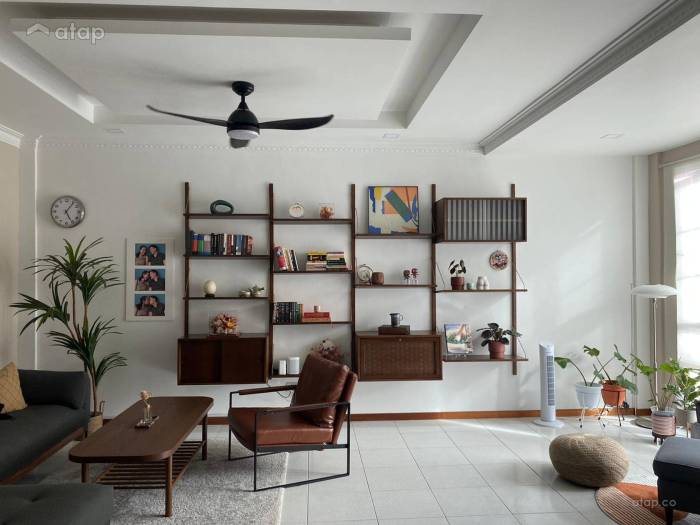
Scandinavian furniture design has made a significant impact on Asian home layouts, bringing a sense of minimalism, functionality, and elegance to the space. The clean lines, natural materials, and light colors commonly found in Scandinavian furniture create a harmonious and cozy atmosphere in Asian homes.
Popular Scandinavian Furniture Pieces in Asian Homes
- 1. Eames Lounge Chair:This iconic piece of furniture, known for its sleek design and comfort, has become a favorite in Asian homes seeking a touch of Scandinavian sophistication.
- 2. Ikea Billy Bookcase:The versatile and practical design of the Billy Bookcase has made it a staple in many Asian homes, offering storage solutions without compromising on style.
- 3. Arne Jacobsen Egg Chair:This classic chair, with its unique shape and luxurious feel, adds a touch of Scandinavian luxury to Asian living spaces.
Scandinavian Furniture Placement vs. Traditional Asian Home Arrangement
In traditional Asian homes, furniture placement is often based on principles of feng shui and hierarchy, with a focus on creating balance and harmony in the space. Scandinavian furniture, on the other hand, tends to emphasize functionality and simplicity, with a more relaxed and open layout.When integrating Scandinavian furniture into Asian homes, there may be a shift towards more open and airy layouts, with an emphasis on creating cozy corners for relaxation and socializing.
This departure from the traditional strict arrangement allows for more creativity and personal expression in interior design, blending the best of both styles for a unique and inviting living space.
Final Review
In conclusion, the integration of Scandinavian interior elements into Asian homes represents a harmonious blend of two diverse design philosophies. As Asian homeowners continue to embrace the simplicity, functionality, and beauty of Scandinavian design, the cultural exchange between these regions through interior decor is evident.
With a newfound appreciation for Scandinavian elements, Asian homes are undergoing a transformation that reflects a modern yet timeless style.
FAQs
What are the key characteristics of Scandinavian interior design?
Scandinavian interior design is known for its simplicity, functionality, minimalism, and use of natural elements like wood and light colors.
Why are Asian homeowners drawn to Scandinavian interior design?
Asian homeowners are attracted to Scandinavian design for its clean lines, cozy aesthetics, and ability to create a sense of calm and tranquility in living spaces.
How does Scandinavian furniture placement differ from traditional Asian home arrangement?
Scandinavian furniture placement tends to focus on creating open, airy spaces with a minimalist approach, while traditional Asian home arrangement may involve more intricate layouts and decorative elements.