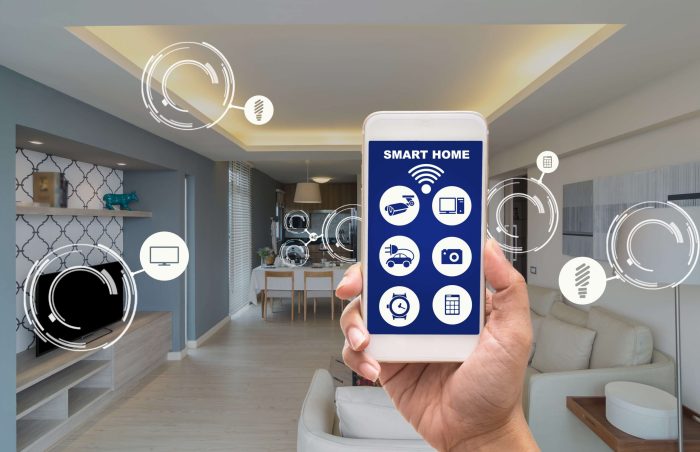
Exploring the intersection of modern interior trends and global smart homes, this article delves into the evolving landscape of design influenced by technology. From minimalist aesthetics to sustainable materials, discover how these trends are shaping the future of smart living spaces.
As we delve deeper into the impact of modern interior design on smart homes, a fascinating narrative unfolds, highlighting the seamless integration of technology and aesthetics.
Modern Interior Trends Influencing Global Smart Homes
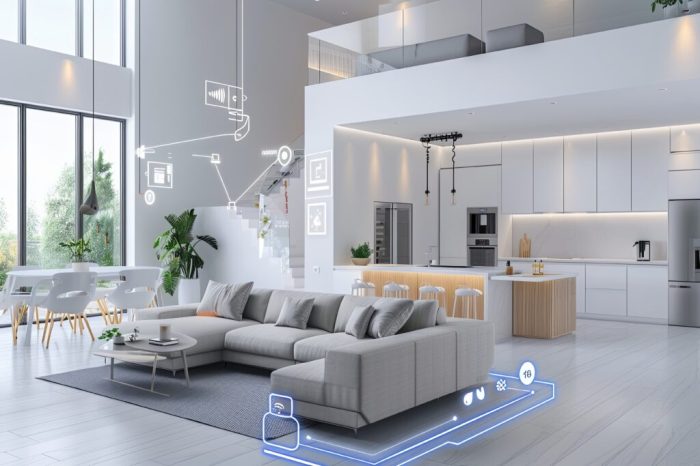
In the realm of smart homes, modern interior design trends play a crucial role in shaping the aesthetics and functionality of living spaces. Let's explore how these trends are influencing the integration of smart home technology.
Key Modern Interior Design Trends
Modern interior design trends are impacting smart homes in various ways, from sleek minimalist aesthetics to sustainable materials and open floor plans.
- Minimalist Design: The rise of minimalist design in interior spaces has led to clean lines, clutter-free environments, and a focus on essential elements. This design philosophy is reflected in smart homes through sleek and unobtrusive technology integration, blending seamlessly with the overall decor.
- Sustainable Materials: The emphasis on eco-friendly and sustainable materials in modern interior design has influenced the choice of materials in smart homes. From energy-efficient appliances to recycled materials and smart lighting systems, sustainability is a key consideration in the design of smart living spaces.
- Open Floor Plans: Open floor plans, characterized by seamless transitions between living spaces, have become a popular choice in modern interior design. This layout promotes connectivity and flow, which are essential aspects of smart home design that prioritize convenience and accessibility.
Comparison of Traditional vs. Modern Interior Design in Smart Homes
When comparing traditional interior design with modern trends in the context of smart homes, we see a shift towards more streamlined, efficient, and technologically advanced living spaces.
- Traditional Design: Traditional interior design often features ornate details, distinct room divisions, and a focus on decorative elements. This style may clash with the seamless integration of technology found in smart homes.
- Modern Trends: On the other hand, modern interior design trends favor simplicity, functionality, and a contemporary aesthetic. These characteristics align well with the smart home concept, where technology is seamlessly integrated into the living environment.
Integration of Smart Home Technology with Modern Interior Design
Smart home technology has revolutionized the way we interact with our living spaces, seamlessly blending functionality with aesthetics in modern interior design. The integration of automation, IoT devices, and voice assistants has significantly enhanced the overall appeal of contemporary homes.
Role of Automation and IoT Devices
Automation and IoT devices play a crucial role in modern interior design by providing convenience and efficiency. From controlling lighting and temperature to managing security systems, these technologies ensure a seamless and interconnected living experience.
Enhancing Lighting, Temperature Control, and Security Systems
Smart home technology allows for the integration of lighting, temperature control, and security systems into modern interiors. With the ability to adjust lighting levels, set preferred temperatures, and monitor security remotely, homeowners can create a personalized and secure environment.
Contribution of Smart Furniture and Appliances
Smart furniture and appliances add a touch of sophistication to modern interiors while providing increased functionality. From smart TVs and refrigerators to automated blinds and thermostats, these innovative devices not only enhance the aesthetics but also improve the overall living experience.
Sustainable and Eco-Friendly Practices in Modern Smart Homes
In the realm of modern smart homes, the focus on sustainability and eco-friendly practices has become increasingly important. Designing smart homes with a green mindset not only benefits the environment but also enhances the overall quality of living for residents.
Importance of Sustainability in Smart Home Design
- Utilizing eco-friendly materials such as reclaimed wood, bamboo, recycled glass, and low-VOC paints can reduce the carbon footprint of smart homes.
- Implementing energy-efficient systems like smart thermostats, LED lighting, and solar panels can significantly lower energy consumption and reduce utility costs.
- Incorporating green building practices such as proper insulation, passive solar design, and water-saving fixtures can enhance the sustainability of smart home construction.
Integration of Sustainable Design Elements
- Integrating indoor plants and living walls not only adds a touch of nature to smart home interiors but also improves air quality and overall well-being.
- Installing smart appliances with energy-efficient features can further enhance the sustainability of smart homes by reducing energy waste and promoting a greener lifestyle.
- Opting for sustainable furniture made from recycled materials or FSC-certified wood can complement the eco-friendly design of modern smart homes.
Benefits of Sustainable Practices in Smart Homes
- Reduction of environmental impact by minimizing waste, conserving resources, and promoting a healthier indoor environment for residents.
- Long-term cost savings through lower energy bills, reduced maintenance costs, and increased property value due to sustainable design elements.
- Enhancement of overall quality of life by creating a more comfortable, eco-friendly, and aesthetically pleasing living space that aligns with sustainable values.
Personalization and Customization in Modern Smart Home Interiors
Personalization and customization play a crucial role in modern smart home interiors, allowing individuals to tailor their living spaces to their unique preferences and needs. This level of customization is made possible through the integration of advanced technologies that adapt to users' behaviors and preferences.
Role of AI and Machine Learning
Artificial Intelligence (AI) and machine learning algorithms are at the forefront of creating personalized environments within smart homes. These technologies analyze user data, such as daily routines, temperature preferences, and lighting choices, to adjust settings automatically. For example, AI can learn when a user typically wakes up and adjust the thermostat accordingly to ensure a comfortable temperature upon waking.
Significance of Adaptive Lighting, Smart Mirrors, and Interactive Surfaces
Adaptive lighting systems are a key component of personalized interior design in smart homes. These systems can change color temperature, brightness, and even the direction of light based on the time of day or user activities. Smart mirrors equipped with built-in lighting and interactive features allow users to customize their grooming routines and receive personalized skincare recommendations.
Interactive surfaces, such as smart countertops or tables, enable users to control home devices, access information, and even display personalized content.
Examples of Customization with Smart Home Technologies
Smart home technologies offer a wide range of customization options for users. For instance, smart thermostats like Nest Learning Thermostat can learn users' temperature preferences and adjust settings automatically. Voice-controlled assistants like Amazon Alexa or Google Assistant allow users to personalize their smart home experience by creating custom routines and commands.
Additionally, smart home security systems can be customized to send alerts to specific devices or contacts based on user preferences, enhancing safety and peace of mind.
Final Thoughts
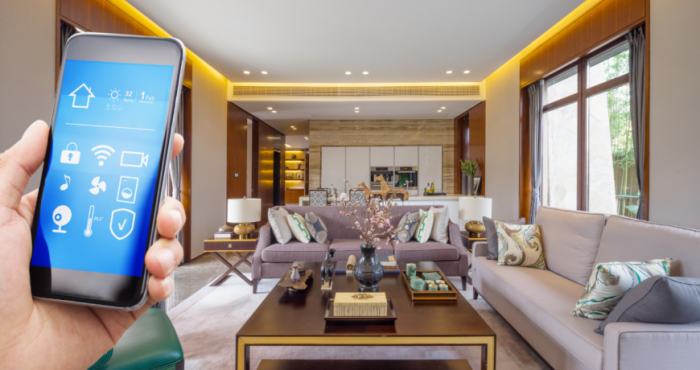
In conclusion, the fusion of modern interior trends with smart home technology presents a dynamic landscape where design and functionality converge. As we embrace sustainability, personalization, and innovation, the future of smart homes is indeed a compelling journey of style and convenience.
FAQ Summary
How do modern interior trends influence the design of smart homes?
Modern interior trends dictate the aesthetics and functionality of smart homes, creating spaces that are both stylish and technologically advanced.
What role does automation play in modern smart homes?
Automation is integral to modern smart homes, allowing for seamless control of various systems such as lighting, temperature, and security.
Why is sustainability important in smart home design?
Sustainability is crucial in smart home design to reduce environmental impact and promote energy efficiency for a greener future.
How can smart home technologies be personalized for individual preferences?
Smart home technologies use AI and machine learning to create customized experiences tailored to individual preferences, enhancing comfort and convenience.