Minimalist Interior Approaches for High-Productivity Offices sets the stage for this enthralling narrative, offering readers a glimpse into a story that is rich in detail and brimming with originality from the outset. The benefits of minimalist design on focus and productivity, key elements of minimalist interior design, incorporating natural light, and organizational strategies will be explored in depth, providing valuable insights for creating optimal workspaces.
Benefits of Minimalist Interior Design for High-Productivity Offices
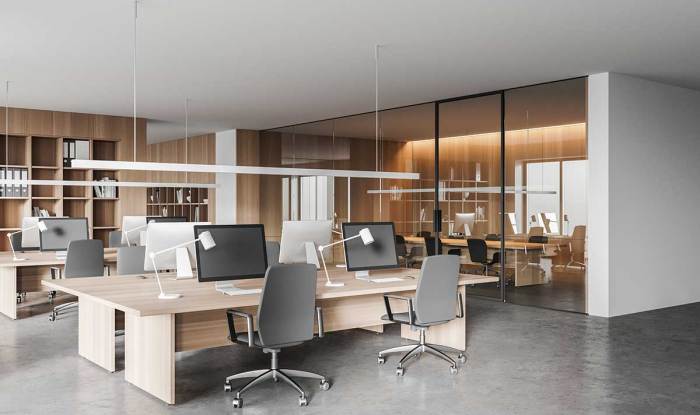
Minimalist interior design in high-productivity offices can significantly enhance focus and efficiency among employees. By creating clean and clutter-free spaces, minimalist elements can help reduce distractions and promote a sense of calm and order in the workplace.
Reduced Distractions
- Simple color palettes and clean lines in furniture and decor can minimize visual noise and distractions, allowing employees to focus on their tasks more effectively.
- Open layouts with minimal furniture can create a sense of spaciousness and promote collaboration among team members.
- Organized storage solutions and minimalistic workstations can help employees stay organized and focused on their work without being overwhelmed by clutter.
Employee Well-being and Efficiency
- Clutter-free spaces have been shown to reduce stress and anxiety levels among employees, leading to increased overall well-being and job satisfaction.
- Minimalist design can create a more calming and productive work environment, improving employee morale and motivation.
- By eliminating unnecessary distractions and visual clutter, minimalist interiors can enhance concentration and productivity levels, ultimately leading to better performance and results.
Key Elements of Minimalist Interior Design
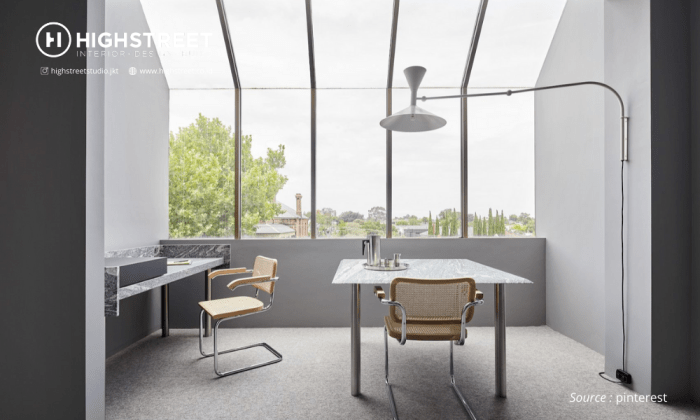
Minimalist interior design is characterized by simplicity, clean lines, and a focus on functionality. These key elements create a serene and clutter-free environment that promotes productivity and efficiency in an office setting.
Clean Lines and Open Spaces
Clean lines are a fundamental aspect of minimalist interior design. They help create a sense of order and organization in the space, reducing visual clutter and distractions. Open spaces play a crucial role in minimalist design by allowing for easy movement and a feeling of expansiveness.
Incorporating these elements can help create a calm and focused work environment.
Neutral Color Palette
A neutral color palette is a hallmark of minimalist design, with shades like white, beige, gray, and black dominating the color scheme. These colors create a sense of tranquility and timelessness, making the space feel clean and uncluttered. By using neutral tones, the focus shifts to the simplicity of the design and the functionality of the space.
Minimalist Furniture Choices
When it comes to furniture selection in a minimalist office, functionality and aesthetics go hand in hand. Opt for sleek and simple furniture pieces with clean lines that complement the overall design aesthetic. Choose furniture that serves a purpose and eliminates unnecessary elements to maintain the minimalist look.
Desks with built-in storage, ergonomic chairs, and multi-functional pieces can enhance both the visual appeal and functionality of the office space.
Incorporating Natural Light in Minimalist Office Spaces
When it comes to designing minimalist office spaces, incorporating natural light is crucial not only for aesthetics but also for enhancing productivity and well-being. Natural light has been proven to boost mood, increase alertness, and promote a sense of well-being among employees.
Maximizing Natural Light in Minimalist Office Designs
- Position workstations near windows or glass walls to allow natural light to reach as many areas as possible.
- Use sheer curtains or blinds that can be easily adjusted to control the amount of light entering the space.
- Consider installing skylights or light wells to bring in additional natural light from above.
Light-Colored Furniture and Reflective Surfaces
Light-colored furniture and surfaces can play a significant role in amplifying natural light within the office space. Light colors reflect light, making the space appear brighter and more spacious. Opt for light-colored desks, chairs, and cabinets to enhance the effects of natural light.
Organizational Strategies for Minimalist Office Layouts
When it comes to creating a minimalist office space, organization is key. By implementing effective decluttering techniques and utilizing storage solutions that blend seamlessly with the minimalist interior, you can maintain a clean and organized workspace conducive to high productivity.
Techniques for Decluttering and Organizing Office Spaces
- Implement a "less is more" approach by removing unnecessary items and keeping only the essentials on display.
- Create designated zones for different tasks to streamline workflow and reduce visual clutter.
- Utilize digital storage solutions to minimize paper clutter and create a more streamlined workspace.
Storage Solutions for Minimalist Interiors
- Opt for sleek and minimalistic storage furniture that complements the overall aesthetic of the office.
- Utilize hidden storage options such as built-in cabinets or under-desk storage to keep clutter out of sight.
- Invest in multi-functional furniture pieces that offer both storage and workspace functionality.
Role of Minimalist Office Accessories
- Choose office accessories that serve a dual purpose, such as desk organizers that also act as decor pieces.
- Opt for neutral and cohesive color palettes for accessories to maintain a clean and unified look.
- Integrate greenery and natural elements into your workspace to add a touch of warmth and tranquility.
Closing Summary
In conclusion, Minimalist Interior Approaches for High-Productivity Offices offer a compelling approach to designing work environments that promote efficiency, well-being, and organizational success. By embracing minimalist principles, offices can create spaces that inspire creativity, foster productivity, and enhance overall work satisfaction.
Answers to Common Questions
How can minimalist design enhance focus and productivity?
Minimalist design reduces distractions, promotes a sense of calm, and helps employees focus on tasks more effectively.
What are some examples of minimalist elements that reduce distractions in an office setting?
Examples include clean lines, clutter-free surfaces, neutral color palettes, and minimalist furniture choices.
Why is natural light important in minimalist office spaces?
Natural light enhances productivity, boosts mood, and creates a sense of openness in the workspace.
How can minimalist office layouts be effectively organized?
Effective organization can be achieved through decluttering techniques, strategic storage solutions, and minimalist office accessories.