Delve into the world of smart home security and discover the crucial aspects that determine the safety of your connected devices. This exploration promises a blend of insightful information and practical advice to safeguard your digital domain effectively.
Explore the vulnerabilities, risks, and protective measures that can make or break the security of your smart home setup.
Importance of Smart Home Security
In today's digital age, where smart home devices are becoming more prevalent, it is crucial to prioritize the security of your smart home setup. Failing to secure these devices can lead to serious risks and consequences that may compromise your privacy, safety, and personal information.
Potential Risks of an Insecure Smart Home Setup
- Unauthorized access: Hackers can gain control of your smart devices, such as cameras, thermostats, or locks, leading to invasion of privacy and potential theft.
- Data breaches: Personal information stored on these devices, such as schedules, routines, and even credit card details, can be exposed if the system is not secure.
- Network vulnerabilities: Insecure smart devices can serve as entry points for cyber attacks on your entire home network, putting all connected devices at risk.
Consequences of a Breach in Smart Home Security
- Privacy invasion: Breaches in smart home security can result in unauthorized monitoring and recording of your activities within your own home.
- Theft and burglary: Hackers gaining access to your smart locks or security cameras can lead to physical break-ins and theft of valuable possessions.
- Identity theft: Exposing personal information through insecure smart devices can lead to identity theft and financial fraud.
Common Vulnerabilities in Smart Home Devices
Smart home devices have become increasingly popular, but along with the convenience they bring, there are also some common vulnerabilities that users should be aware of to ensure the security of their homes.
Outdated Software
One of the major vulnerabilities in smart home devices is outdated software. Manufacturers regularly release updates to patch security flaws and improve device performance. Failure to update the software on your smart devices can leave them susceptible to cyber attacks.
Default Passwords
Another common vulnerability is the use of default passwords on smart devices. Many users neglect to change the default passwords that come with their devices, making it easier for hackers to gain unauthorized access. It is crucial to set strong, unique passwords for each of your smart devices to enhance security.
Ways to Enhance Smart Home Security
When it comes to securing your smart home devices, there are several effective strategies you can implement to enhance your overall security. From using strong, unique passwords to enabling two-factor authentication, these practices can significantly reduce the risk of unauthorized access.
Using Strong, Unique Passwords
One of the most crucial steps in securing your smart home devices is to use strong, unique passwords for each device. Avoid using default passwords or easily guessable combinations. Create complex passwords that include a mix of letters, numbers, and special characters to make them harder to crack.
Enabling Two-Factor Authentication
Two-factor authentication adds an extra layer of security by requiring users to provide a second form of verification, such as a code sent to their mobile device, in addition to their password. This significantly reduces the risk of unauthorized access even if someone manages to obtain your password.
Secure Network Practices for Smart Homes
Setting up a separate network for smart devices is a crucial step in enhancing security for your smart home setup. By isolating your smart devices on a separate network, you can prevent potential hackers from gaining access to your main network and sensitive information.
Importance of Securing Wi-Fi Networks with Encryption
- Securing your Wi-Fi network with encryption, such as WPA3 or WPA2, adds an extra layer of protection against unauthorized access.
- Encryption scrambles the data being transmitted over your network, making it unreadable to anyone without the proper encryption key.
- Regularly updating your Wi-Fi password and ensuring strong encryption protocols are in place can help safeguard your network from cyber threats.
Regularly Updating Firmware for Preventing Security Breaches
- Regularly updating the firmware on your smart devices is essential for addressing security vulnerabilities and patching any potential loopholes that hackers could exploit.
- Firmware updates often include security patches released by manufacturers to enhance the overall security of the device.
- By keeping your smart devices' firmware up to date, you can reduce the risk of security breaches and protect your personal information from being compromised.
Privacy Concerns with Smart Home Technology
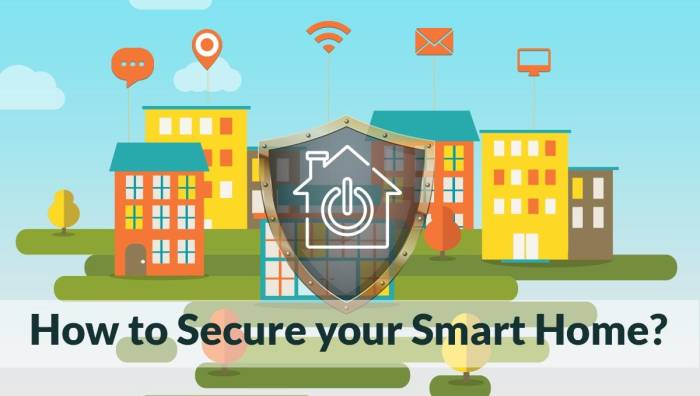
As smart home technology becomes more prevalent, it raises concerns about the privacy of users and their personal data. Understanding the potential privacy issues associated with smart devices is crucial to protect your information.
Personal Data Collection and Sharing
Smart home devices often collect a vast amount of personal data, including your daily routines, preferences, and even sensitive information such as video footage or audio recordings. This data can be shared with third parties, service providers, or even be vulnerable to hacking.
Tips to Protect Your Privacy
- Secure your Wi-Fi network with a strong password and encryption to prevent unauthorized access to your smart devices.
- Regularly update the firmware and software of your smart devices to patch any security vulnerabilities.
- Review privacy settings and permissions on your smart devices to limit the data they collect and share.
- Disable features such as voice assistants or cameras when not in use to prevent unnecessary data collection.
- Consider using a separate network for your smart devices to isolate them from your main network and protect your personal data.
Final Summary
In conclusion, understanding the nuances of smart home security is paramount in safeguarding your privacy and data integrity. With the right knowledge and proactive steps, you can enjoy the convenience of a smart home without compromising on security.
Question Bank
How can outdated software affect the security of smart home devices?
Outdated software lacks the latest security patches, making devices vulnerable to cyber attacks. It's crucial to regularly update software to mitigate risks.
Why is using strong, unique passwords important for smart home devices?
Strong passwords add an extra layer of security, reducing the likelihood of unauthorized access to your smart home devices. Avoid using default or easily guessable passwords.
What are the privacy concerns related to smart home technology?
Smart devices may collect personal data that can be exploited if not properly protected. Understanding privacy settings and limiting data sharing can help mitigate these risks.