When it comes to setting up a smart home, the choice between going the DIY route or hiring a professional can be a tough decision. From cost-effectiveness to customization options, each approach has its own set of benefits and drawbacks.
Let's delve into the world of DIY vs Professional Smart Home Installations to determine which option reigns supreme.
DIY Smart Home Installations
When it comes to setting up a smart home, many people opt for the do-it-yourself approach as a cost-effective way to integrate smart devices into their living spaces. DIY smart home installations can be a great way to customize your setup according to your preferences and budget.
Cost-Effectiveness of DIY Smart Home Installations
Setting up your smart home devices on your own can save you a significant amount of money compared to hiring professionals for the installation process. While professional installations may provide a seamless experience, they often come with a higher price tag that may not be feasible for everyone.
Common Smart Home Devices Suitable for DIY Setup
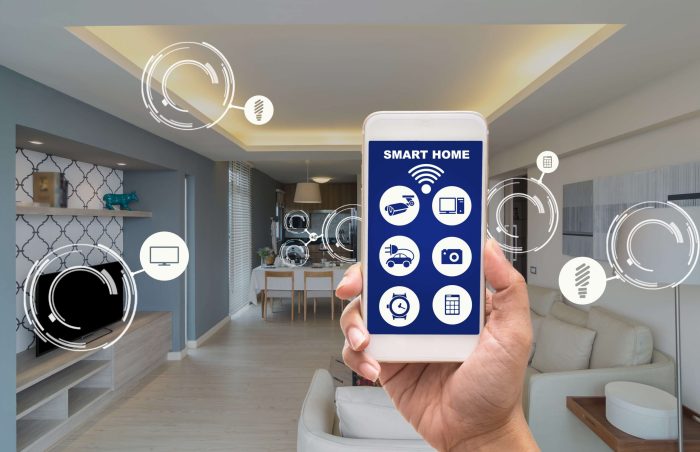
Many smart home devices are designed to be user-friendly and easy to install without the need for professional assistance. Some popular options for DIY smart home setups include smart light bulbs, smart plugs, smart thermostats, and security cameras. These devices typically come with detailed instructions that make the installation process straightforward for most users.
Level of Technical Expertise Required
Successful DIY smart home installations typically do not require advanced technical knowledge. Basic skills such as following instructions, connecting devices to a Wi-Fi network, and using smartphone apps are usually sufficient to set up most smart home devices. However, some devices may require a bit more technical know-how, such as integrating them with existing home automation systems.
Popular DIY Smart Home Kits
There are several DIY smart home kits available in the market that offer a convenient way to start building your smart home ecosystem. Examples include the Google Nest Starter Pack, Amazon Echo Dot with Smart Plug bundle, and Philips Hue White and Color Ambiance Starter Kit.
These kits usually contain everything you need to get started with smart home automation, including hub devices and compatible accessories.
Professional Smart Home Installations
When it comes to setting up a smart home, hiring a professional installer can offer numerous advantages. From expert knowledge to ensuring a seamless setup process, professional installations can provide a hassle-free experience for homeowners looking to integrate smart technology into their living spaces.
Advantages of Opting for Professional Smart Home Installations
- Expertise: Professional installers have the knowledge and experience to handle complex smart home systems efficiently.
- Customization: Professionals can tailor the setup to meet specific needs and preferences, ensuring a personalized smart home experience.
- Reliability: Professional installations typically come with a guarantee of quality workmanship, giving homeowners peace of mind.
- Integration: Professionals can seamlessly integrate various smart devices and systems to work together harmoniously.
Process Involved in Hiring a Professional for Smart Home Setup
- Research: Look for reputable smart home installation companies and read reviews to find the best fit for your needs.
- Consultation: Schedule a consultation to discuss your requirements and get a quote for the installation services.
- Installation: Once you've chosen a provider, the professional team will come to your home to set up the smart devices and systems.
- Testing and Training: After installation, the professionals will test the system and provide training on how to use and manage your smart home setup.
Potential Drawbacks of Relying on Professional Installers for Smart Homes
- Cost: Professional installations can be more expensive than DIY options, especially for larger or more complex setups.
- Dependence: Homeowners may become reliant on professional help for any future changes or updates to their smart home systems.
- Scheduling: Coordinating installation appointments with professional installers can sometimes be challenging due to availability.
- Limited Control: Some homeowners may prefer to have more control over the installation process and customization of their smart home.
Warranty and Support Options Offered by Professional Installation Services
- Warranty: Many professional installation services offer warranties on their work, providing peace of mind in case of any issues post-installation.
- Support: Professional installers often provide ongoing support and maintenance services to ensure the smooth functioning of your smart home systems.
- Upgrades: Some installation companies offer upgrade options to keep your smart home technology up-to-date with the latest advancements.
Comparison of Quality and Reliability
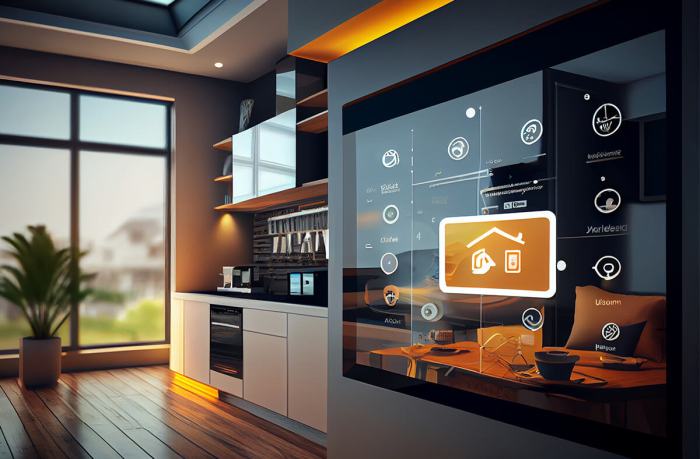
When it comes to smart home installations, the quality and reliability of the setup can significantly impact the overall performance of the system. Let's delve into the differences between DIY and professional installations in terms of quality and reliability.
Differences in Quality of Installation
- DIY setups often rely on the homeowner's knowledge and skills, which may vary widely. This can lead to inconsistencies in the installation process and potentially compromise the quality of the setup.
- Professional installations, on the other hand, are carried out by trained experts who have experience in setting up smart home systems. This expertise can result in a more precise and efficient installation, ensuring a higher quality overall.
Reliability and Longevity
- DIY installations may lack the thoroughness and attention to detail that professionals provide. This can lead to issues down the line, such as connectivity problems, malfunctioning devices, or even safety hazards.
- Professional installations are typically more reliable and durable due to the expertise of the installers. They are better equipped to handle complex setups and ensure that the system functions optimally for an extended period.
Potential Risks Associated
- DIY installations may involve incorrect wiring, improper placement of devices, or inadequate security measures, all of which can pose risks to the smart home system and the occupants of the house.
- Professional setups, while generally more reliable, can still have risks if the installation is not done correctly. This includes compatibility issues, faulty components, or inadequate system testing.
Impact on Overall Performance
- The quality and reliability of the installation directly impact the overall performance of a smart home system. A well-installed system will operate smoothly, seamlessly integrating all components for optimal functionality.
- On the other hand, a poorly installed system may experience frequent breakdowns, connectivity issues, or inefficiencies, hampering the user experience and potentially causing frustration.
Customization and Integration
When it comes to smart home installations, customization and integration play a crucial role in enhancing the overall functionality and convenience of the system. Let's explore how DIY setups compare to professionally installed smart home systems in terms of customization and integration capabilities.
Level of Customization with DIY Smart Home Installations
- DIY smart home installations offer a high level of customization, allowing homeowners to choose specific devices, brands, and features that suit their needs and preferences.
- Users can personalize automation routines, create custom scenes, and integrate various smart devices based on their individual requirements.
- DIY setups provide the flexibility to expand and modify the system over time, giving users full control over the design and functionality of their smart home.
Integration Capabilities of DIY vs. Professional Smart Home Installations
- DIY setups may have limitations when it comes to integrating different smart devices from various brands or protocols, as compatibility issues can arise.
- Professionally installed smart home systems typically offer seamless integration of devices and technologies, ensuring a cohesive and interconnected ecosystem.
- Professional installers have the expertise to configure complex integrations and ensure that all components work together harmoniously for a truly interconnected smart home experience.
Limitations of Customization in Professional Smart Home Installations
- While professionally installed smart home systems provide a high level of reliability and performance, customization options may be limited compared to DIY setups.
- Homeowners may have less control over the selection of specific devices or features, as professional installers follow predefined guidelines and standards for installation.
- Customizing automation routines or adding new devices to a professionally installed system may require additional service calls or technical support, leading to higher costs and potential delays.
Examples of Advanced Automation Features in DIY vs. Professional Setups
- DIY setups can achieve advanced automation features such as voice control, geofencing, and custom notifications using popular platforms like Amazon Alexa or Google Assistant.
- Professional smart home installations can enable sophisticated automation scenarios like whole-house audio systems, integrated security cameras, and centralized control of lighting and HVAC systems.
- While DIY setups can be tailored to specific needs with a wide range of compatible devices, professionally installed systems can offer advanced integration possibilities for a more comprehensive smart home experience.
Final Thoughts
As we wrap up our exploration of DIY vs Professional Smart Home Installations, it's clear that both paths offer unique advantages. Whether you're a tech-savvy DIY enthusiast or prefer the expertise of a professional, the key is to choose the option that best suits your needs and preferences.
Ultimately, the decision lies in finding the perfect balance between convenience, cost, and quality for your smart home setup.
User Queries
Is DIY smart home installation really cost-effective compared to professional installations?
DIY smart home installations can be more cost-effective upfront, but professional installations may offer better long-term reliability and support. It ultimately depends on your budget and technical skills.
What are some common risks associated with both DIY and professional smart home installations?
DIY installations may have compatibility issues or lack warranty coverage, while professional installations could be more expensive and require scheduling appointments.
Can DIY smart home setups be as customizable as professionally installed systems?
DIY setups offer a high level of customization, allowing users to tailor their smart home experience to their preferences. However, professional installations may have limitations in customization options.