In today's digital age, the concept of Cyber Wellness: Digital Lifestyle Safety for Families is more crucial than ever. This title beckons readers into a world where understanding the importance of online safety for families is paramount, setting the stage for an informative and engaging discussion ahead.
Introduction to Cyber Wellness
Cyber Wellness refers to the practice of using technology safely and responsibly to maintain a healthy digital lifestyle. In today's digital age, where technology is an integral part of our daily lives, Cyber Wellness plays a crucial role in ensuring the well-being of individuals and families.
When it comes to families, Cyber Wellness encompasses the protection of children, parents, and other family members from potential online threats and dangers. It involves educating family members about the importance of maintaining a balance between online and offline activities, fostering positive online behavior, and being aware of the risks associated with excessive digital consumption.
Potential Risks of an Unhealthy Digital Lifestyle
- Exposure to inappropriate content: Children may come across explicit or harmful content online, which can have a negative impact on their development and well-being.
- Cyberbullying: Family members, especially children, may become victims of cyberbullying, leading to emotional distress and mental health issues.
- Online predators: Children are vulnerable to online predators who may use the internet to exploit and harm them.
- Privacy concerns: Sharing personal information online without caution can result in identity theft, fraud, or other privacy breaches.
Understanding Digital Lifestyle Safety
Digital lifestyle safety encompasses the practices and behaviors individuals adopt to ensure their online experiences are secure, responsible, and healthy. It involves being aware of potential risks associated with using digital technologies and taking proactive steps to mitigate these risks.
Examples of Good Digital Habits
- Using strong, unique passwords for online accounts and regularly changing them.
- Avoiding clicking on suspicious links or downloading attachments from unknown sources.
- Setting privacy settings on social media platforms to control who can see personal information.
- Educating oneself and family members about the dangers of online scams and phishing attempts.
Impact of Technology on Family Dynamics
Technology has significantly influenced family dynamics and relationships in both positive and negative ways. On one hand, it has allowed families to stay connected despite physical distance through video calls and messaging apps. However, excessive screen time and digital distractions can lead to decreased communication and bonding among family members.
It is essential for families to find a balance between utilizing technology for positive interactions and maintaining healthy relationships offline.
Implementing Cyber Wellness Practices
When it comes to promoting Cyber Wellness within the family, setting boundaries and rules for healthy digital usage is crucial. Parents play a significant role in guiding their children to navigate the online world safely.
Strategies for Promoting Cyber Wellness
Here are some effective strategies for promoting Cyber Wellness within the family:
- Open Communication: Encourage open and honest conversations about online activities and potential risks.
- Educate and Empower: Teach children about online safety, privacy settings, and the importance of responsible digital behavior.
- Set Time Limits: Establish boundaries on screen time to prevent excessive use of digital devices.
- Lead by Example: Be a positive role model by demonstrating healthy digital habits and etiquette.
Setting Boundaries and Rules for Healthy Digital Usage
It's essential to establish clear boundaries and rules for healthy digital usage within the family. Here are some tips to consider:
- Define Screen-Free Zones: Designate specific areas in the house where digital devices are not allowed, such as the dining table or bedrooms.
- Agree on Usage Guidelines: Discuss and agree upon rules regarding device usage, online content, and appropriate websites.
- Monitor Online Activities: Regularly check your child's online interactions and be aware of the websites they visit.
The Role of Parental Controls and Monitoring
Parental controls and monitoring tools can help ensure digital safety within the family. Here's how they can be beneficial:
- Filter Content: Use parental control settings to restrict access to inappropriate content and websites.
- Track Screen Time: Monitor the amount of time spent on digital devices and set limits accordingly.
- Establish Trust: Communicate openly with your child about the reasons for using parental controls to build trust and understanding.
Educating Children on Cyber Wellness
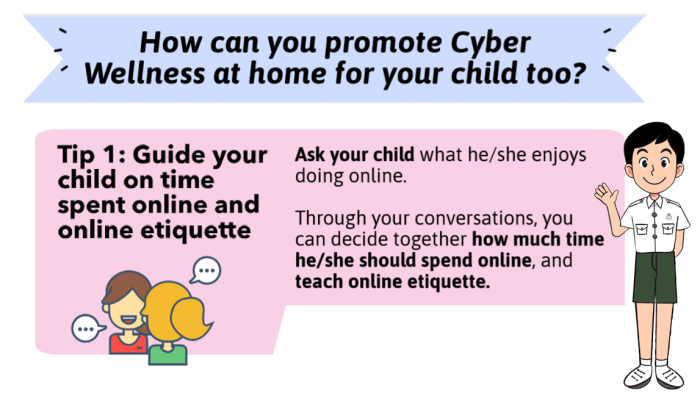
It is crucial to educate children about online safety to ensure they navigate the digital world responsibly and securely. By teaching them about Cyber Wellness, parents can empower their children to make informed decisions and protect themselves from potential online risks.
Age-Appropriate Ways to Teach Children about Cyber Wellness
- Start by setting clear guidelines on screen time and online activities based on the child's age and maturity level.
- Use interactive games, videos, and stories to illustrate concepts like internet safety, privacy, and cyberbullying in a fun and engaging manner.
- Teach children about the importance of protecting personal information online and the risks associated with sharing sensitive details with strangers.
- Encourage open communication and establish trust so that children feel comfortable discussing any online concerns or experiences with their parents.
Resources and Tools for Parents to Educate Their Children on Digital Lifestyle Safety
- Utilize online platforms and websites that offer educational materials and tips on Cyber Wellness for children of different age groups.
- Consider using parental control software to monitor and manage your child's online activities, ensuring they stay safe while exploring the internet.
- Engage in discussions with other parents or join online forums to exchange ideas and strategies for promoting Cyber Wellness among children.
- Attend workshops or seminars on digital safety and Cyber Wellness to stay informed about the latest trends and threats in the online world.
Addressing Cyberbullying and Online Harassment
Cyberbullying and online harassment are forms of aggressive behavior that take place online, usually through social media platforms, messaging apps, or online forums. Cyberbullying involves repeated and intentional harm done to another person, while online harassment includes any unwanted, abusive, or threatening behavior towards an individual.
Impact of Cyberbullying on Children and Families
Cyberbullying can have severe consequences on both children and their families. It can lead to emotional distress, anxiety, depression, and even suicidal thoughts in children who are targeted. Families may also experience stress and concern for their child's well-being, impacting their own mental health.
- Cyberbullying can affect a child's self-esteem and social relationships, causing them to withdraw from friends and family members.
- Children may become fearful of using technology or going online, which can hinder their academic and social development.
- Parents may feel helpless or overwhelmed in trying to protect their child from online harm, leading to strained relationships within the family.
Strategies for Preventing and Addressing Cyberbullying Incidents
It is crucial for parents and caregivers to take proactive steps in preventing and addressing cyberbullying incidents to protect their children.
- Educate children on recognizing and reporting cyberbullying behavior. Encourage open communication and teach them to seek help when needed.
- Set clear guidelines for internet and social media usage, including time limits and monitoring online activities.
- Encourage children to block or unfriend individuals who engage in cyberbullying and to avoid retaliating or responding to hurtful messages.
- Work with schools and other parents to create a supportive environment for children, where they feel safe and can discuss any concerns about cyberbullying.
Closing Summary
As we wrap up our discussion on Cyber Wellness: Digital Lifestyle Safety for Families, it becomes evident that fostering a safe and healthy digital environment for families is a continuous endeavor. By implementing the right practices and staying informed, families can navigate the online world with confidence and security.
FAQ
What are some potential risks associated with an unhealthy digital lifestyle?
Unhealthy digital lifestyles can lead to issues such as addiction, social isolation, cyberbullying, and exposure to inappropriate content.
How can parents promote Cyber Wellness within the family?
Parents can promote Cyber Wellness by setting boundaries, encouraging open communication, and being good digital role models for their children.
What impact does cyberbullying have on children and families?
Cyberbullying can have serious consequences on children's mental health and well-being, as well as strain family relationships and dynamics.
Why is it important to educate children about online safety?
Educating children about online safety is crucial to help them navigate the digital world responsibly, protect themselves from online threats, and develop good digital habits.